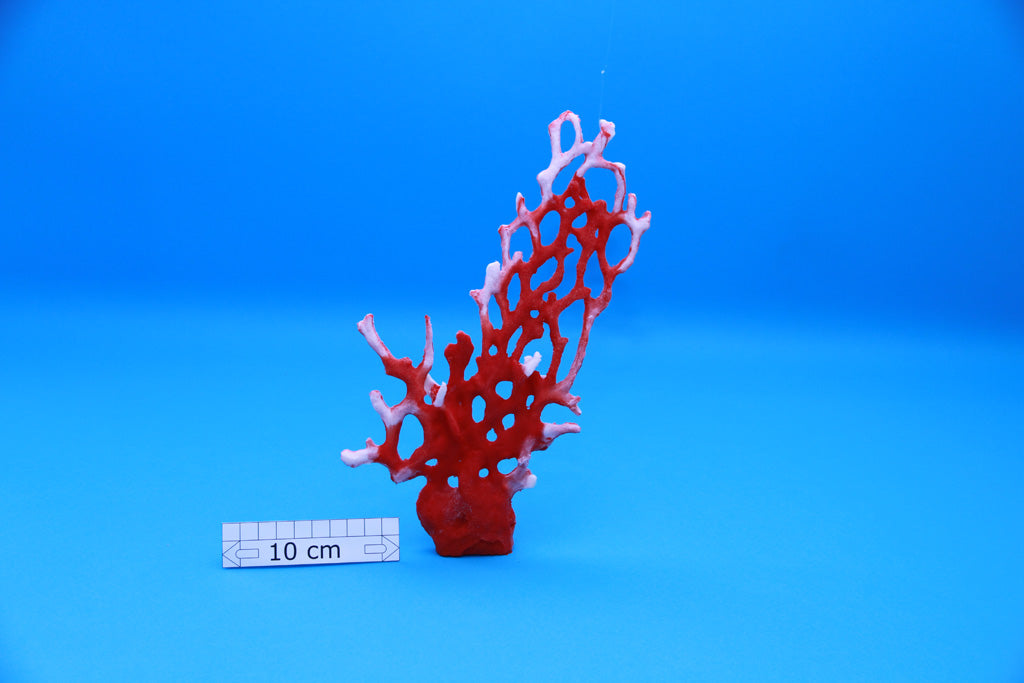
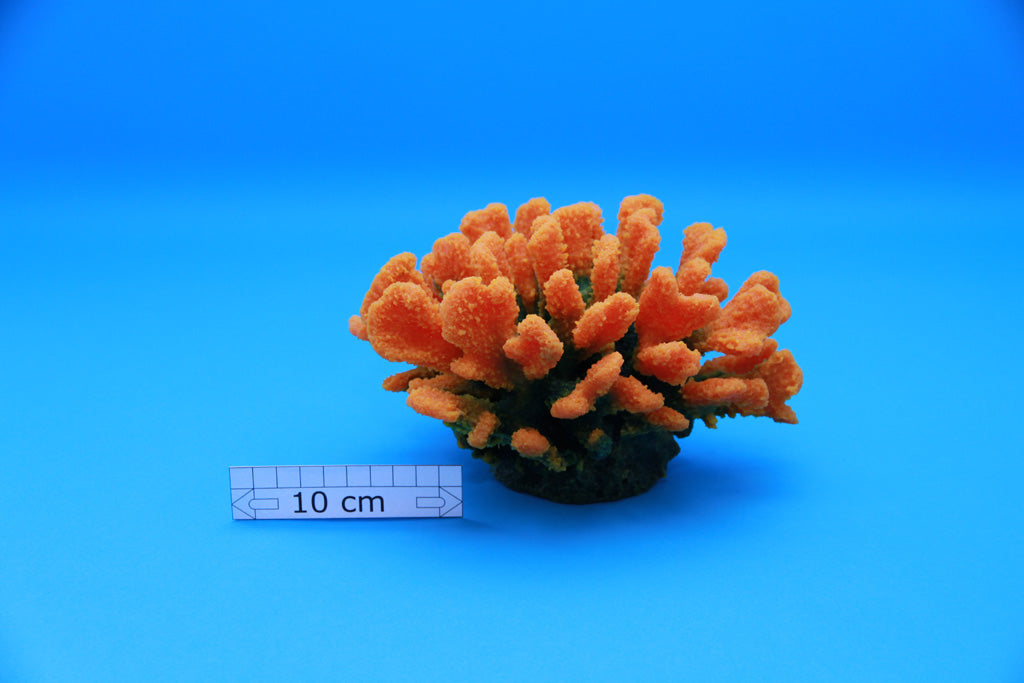
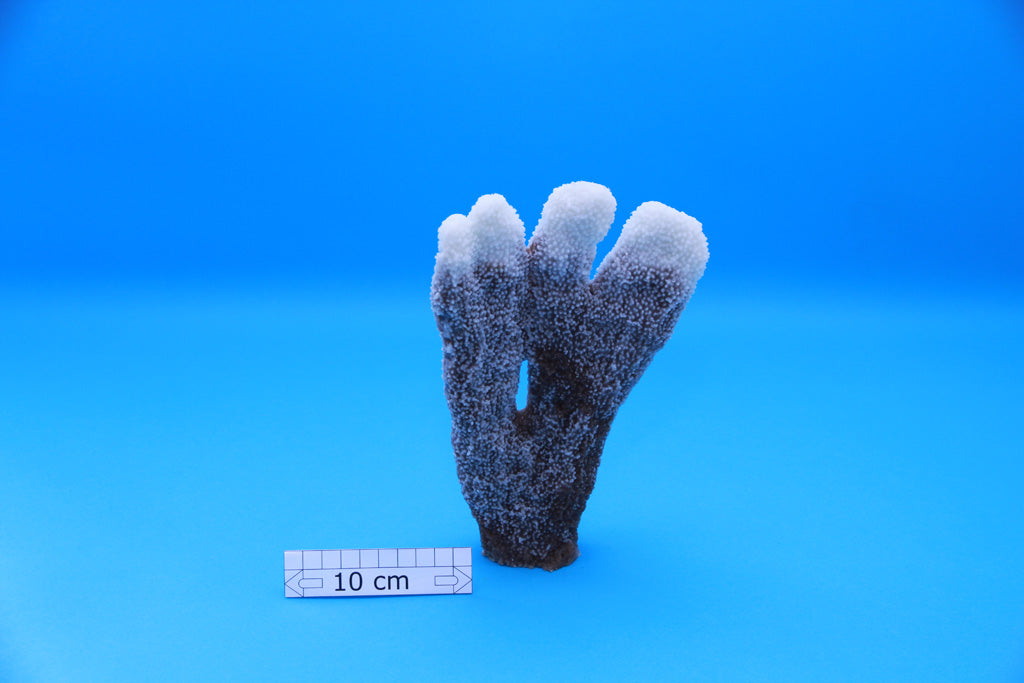
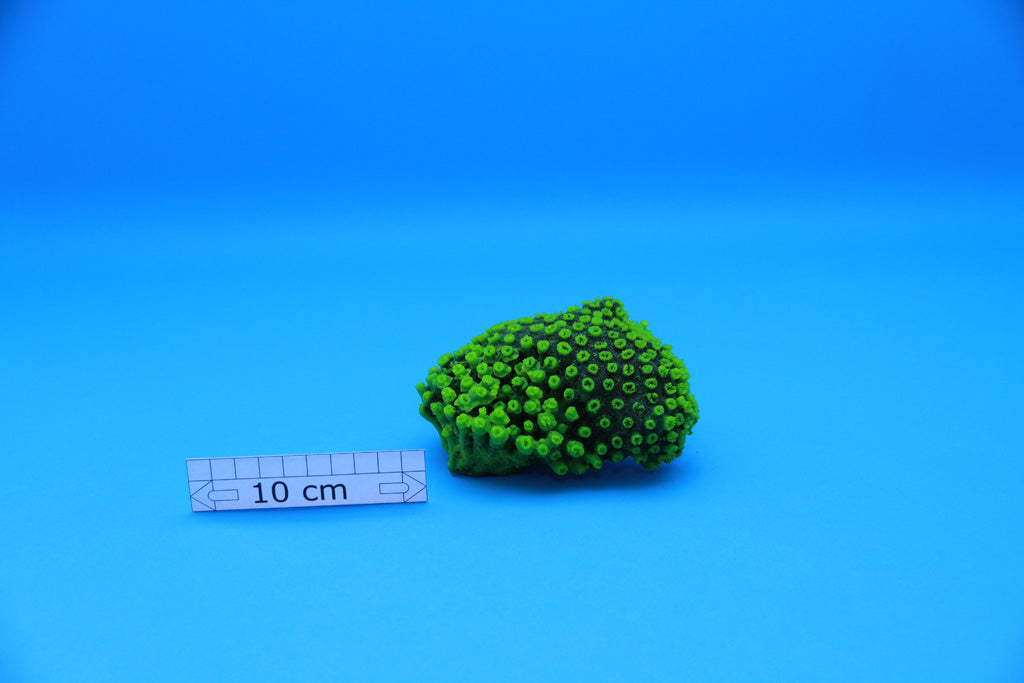
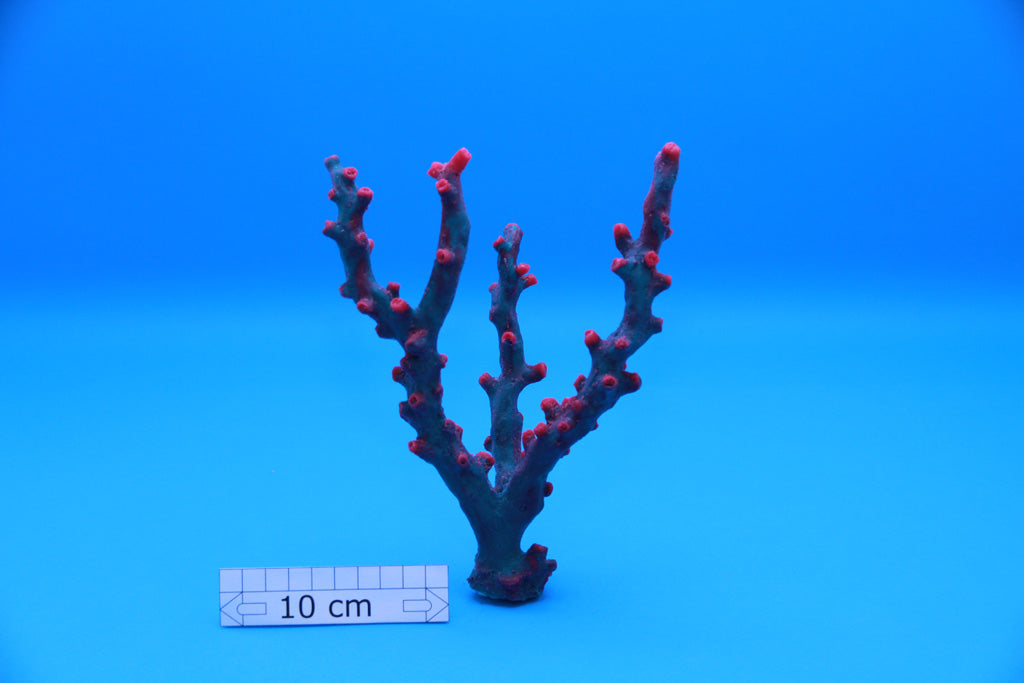
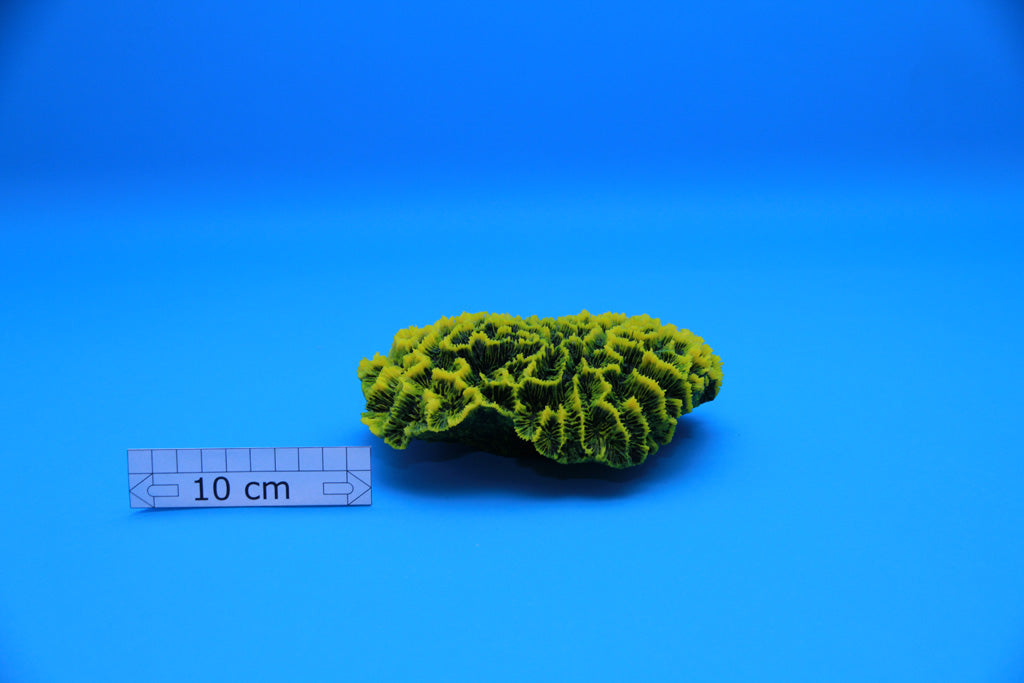
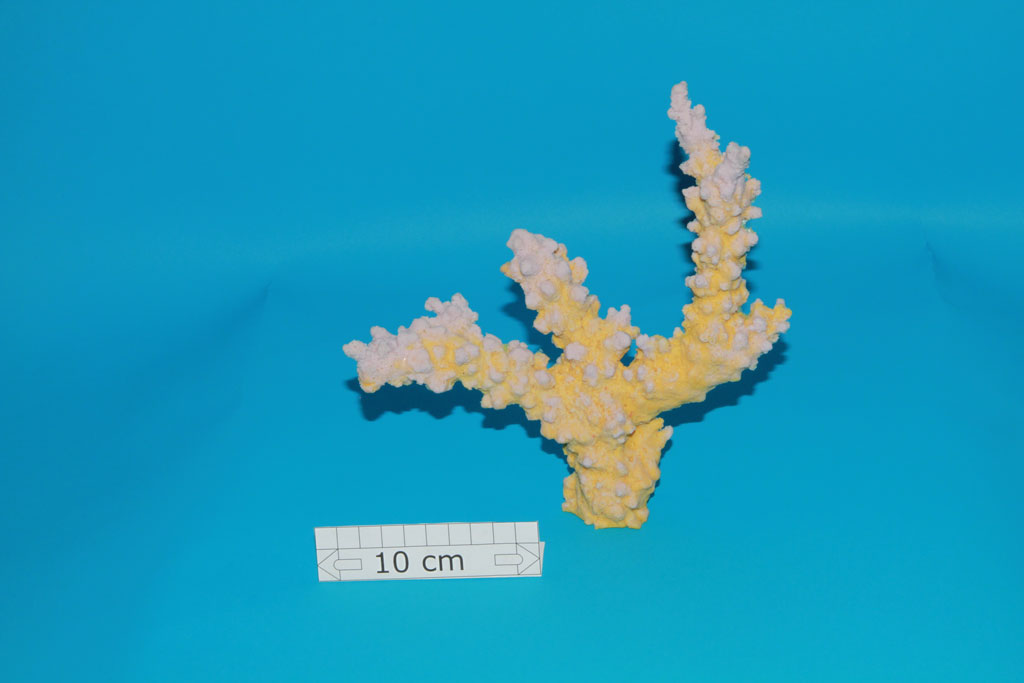
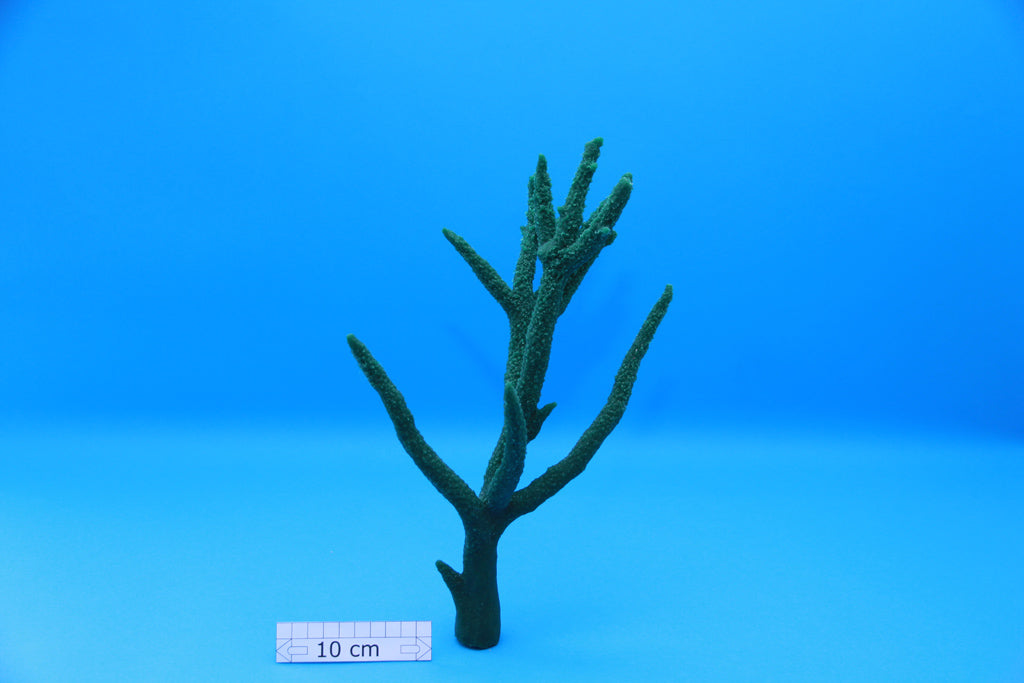
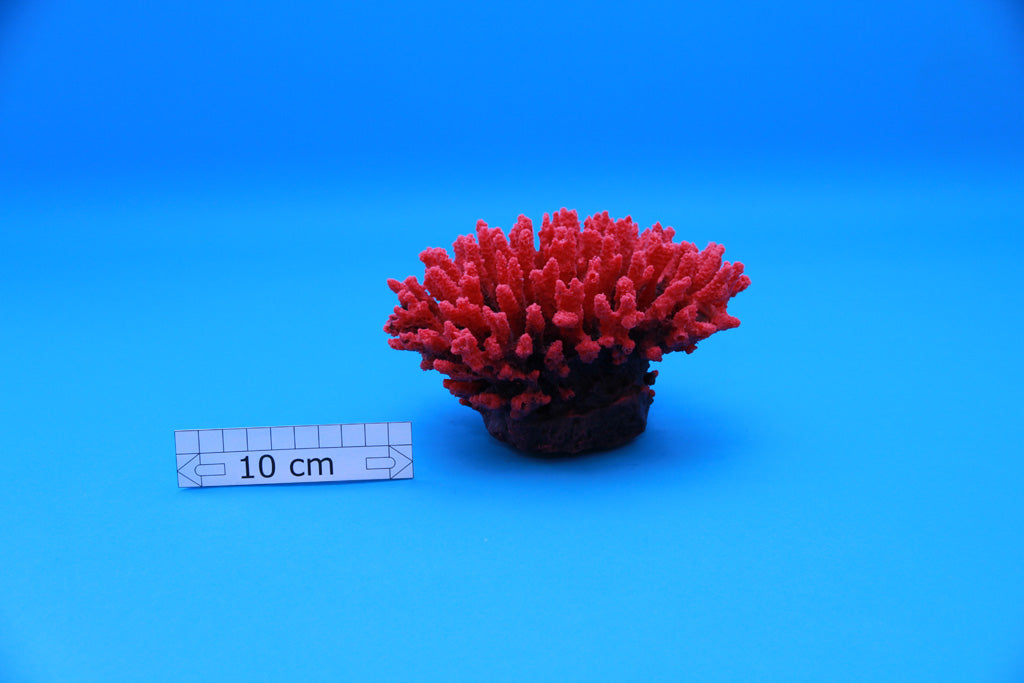
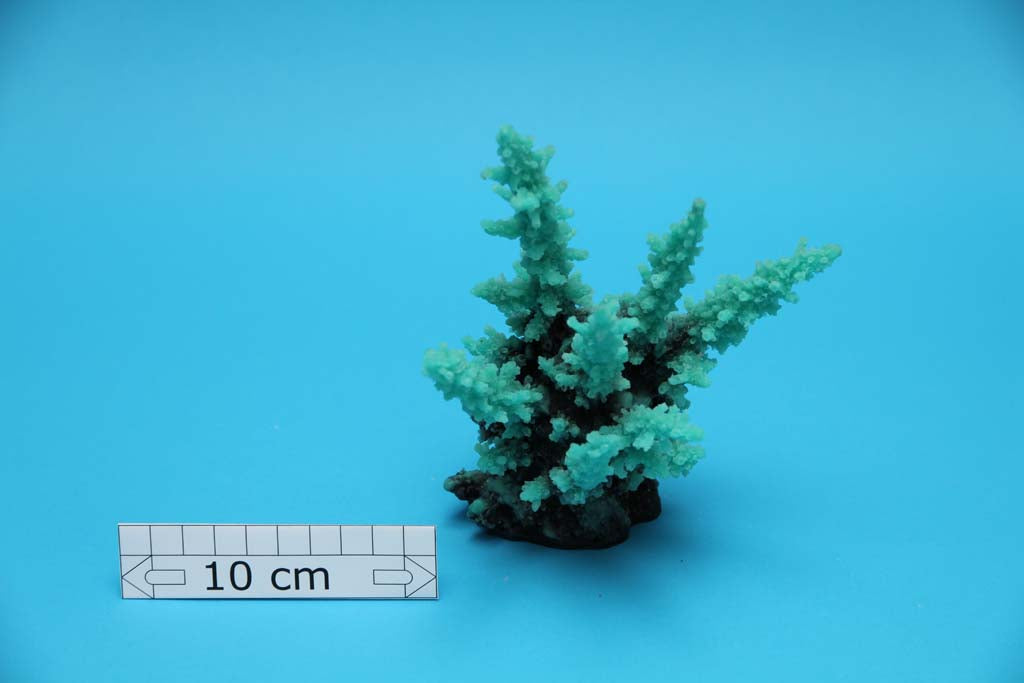
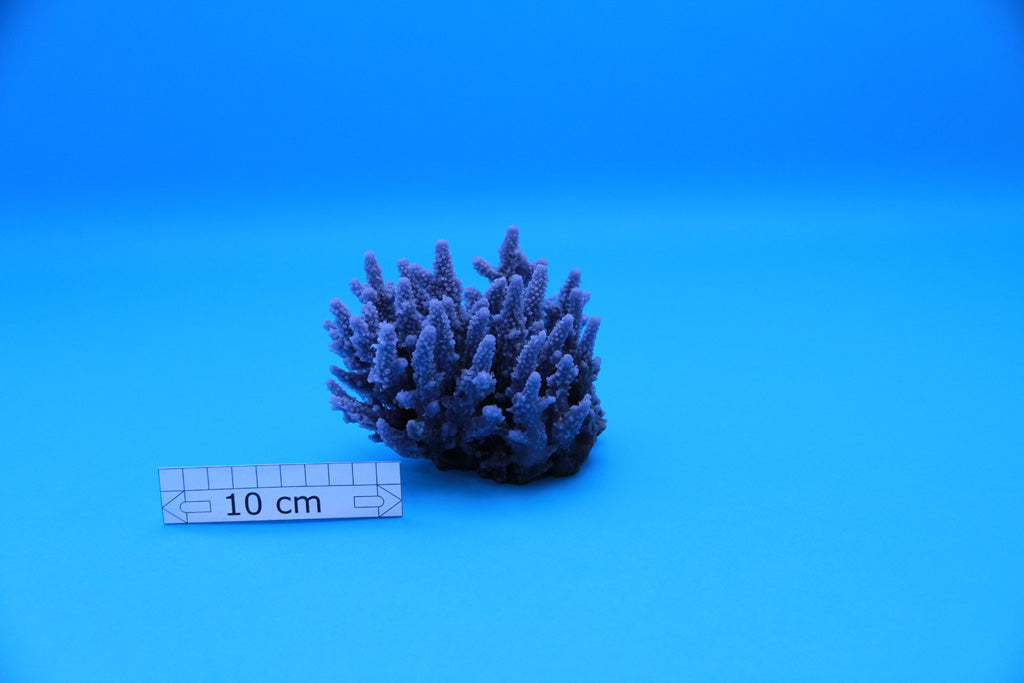
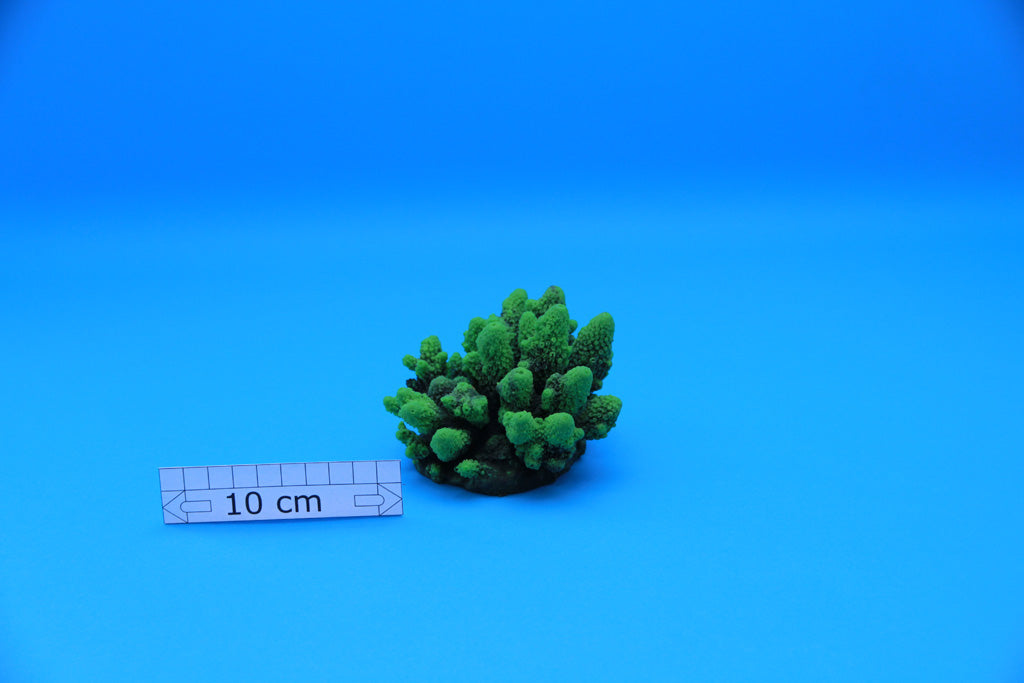
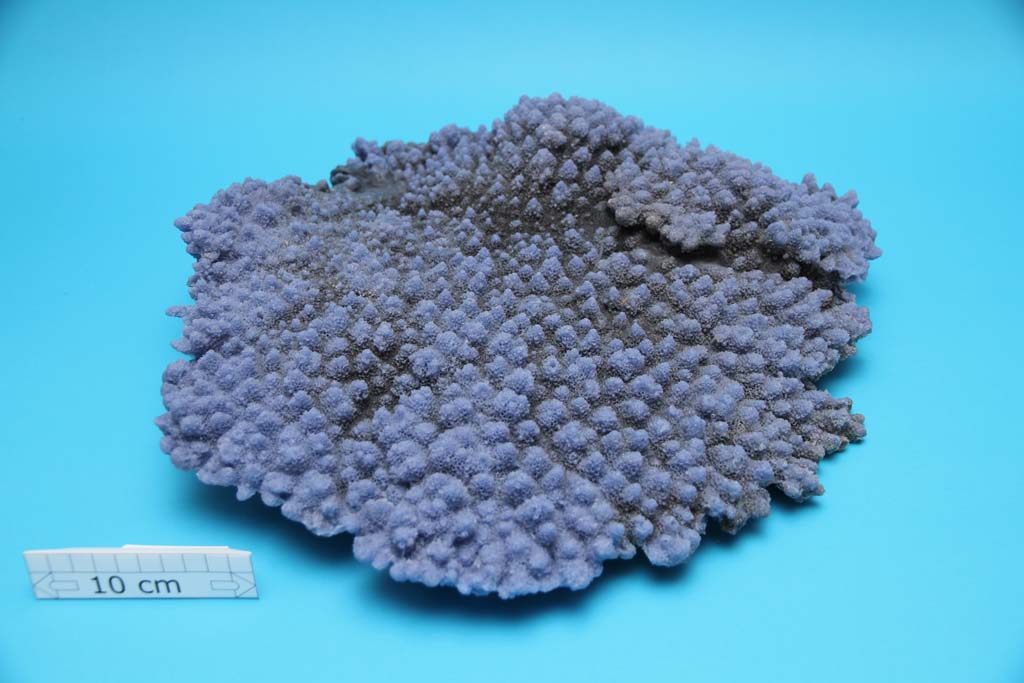
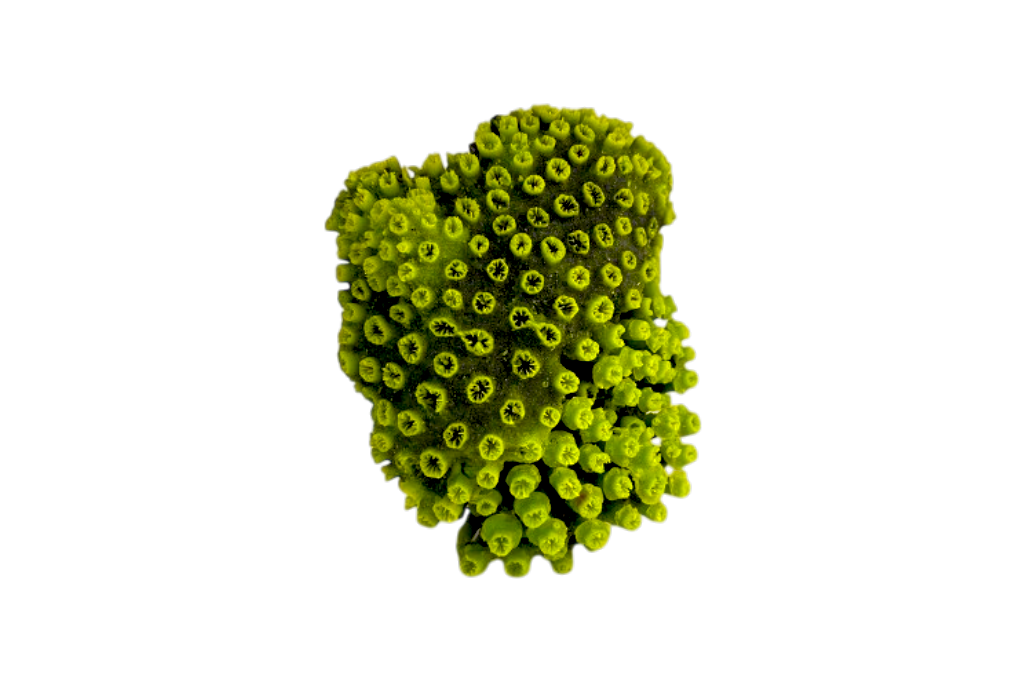
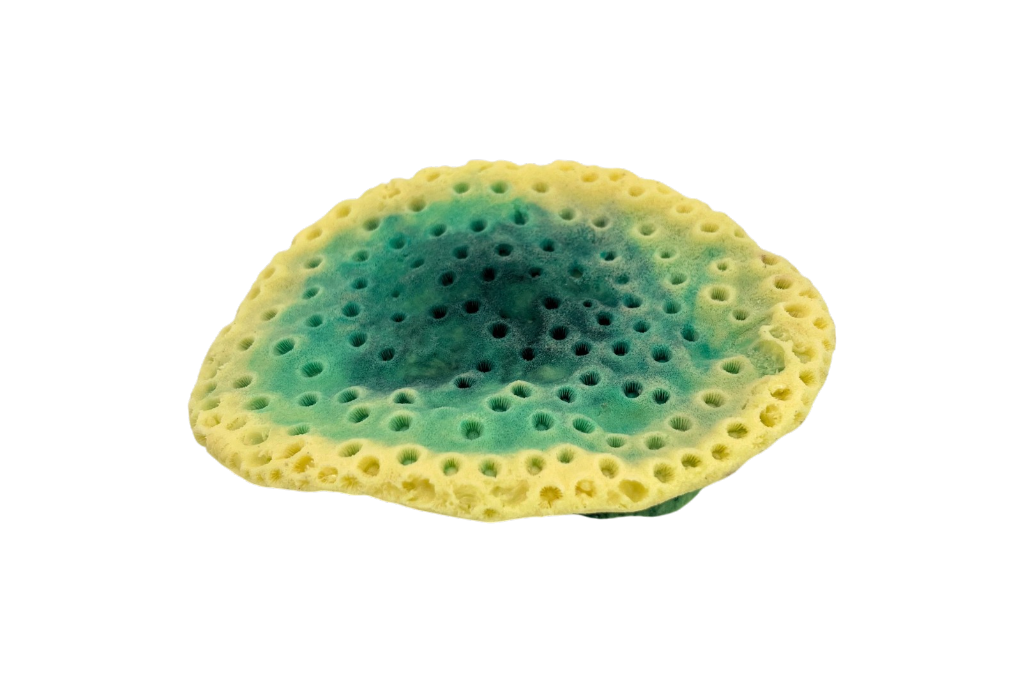
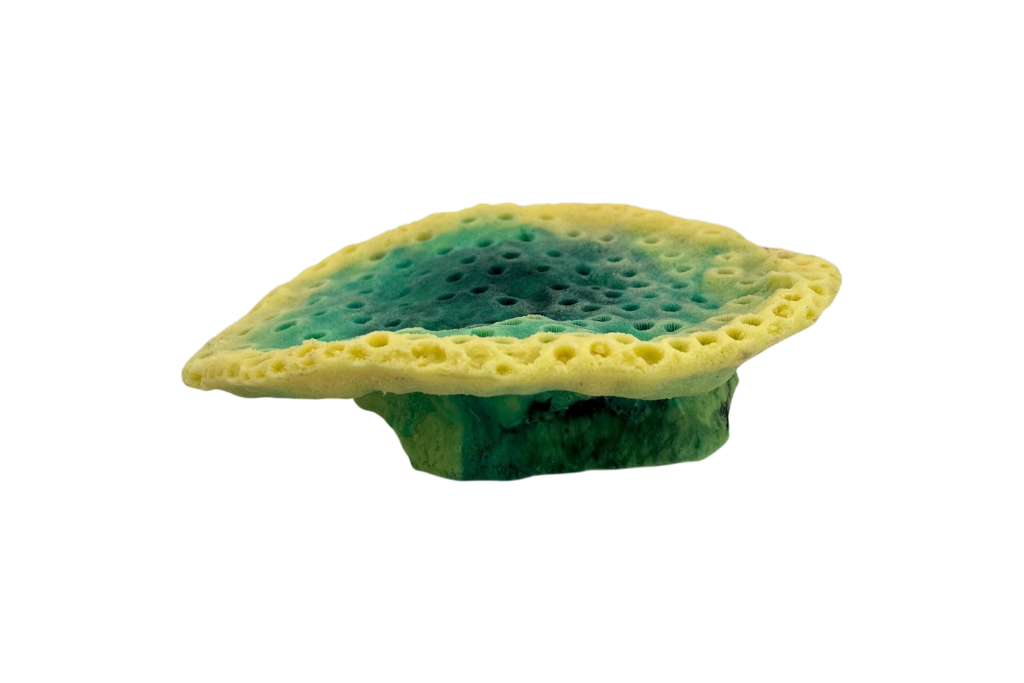
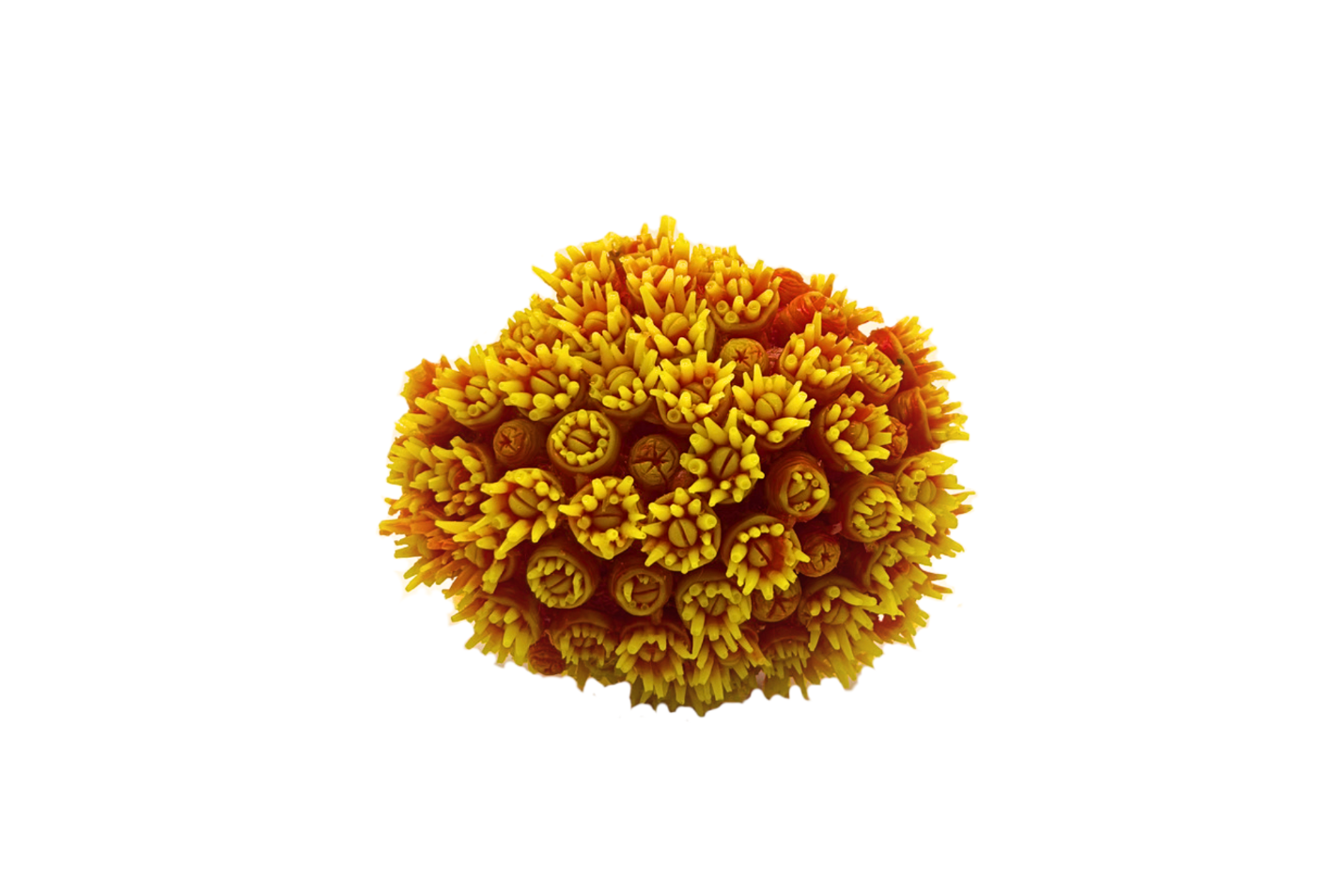
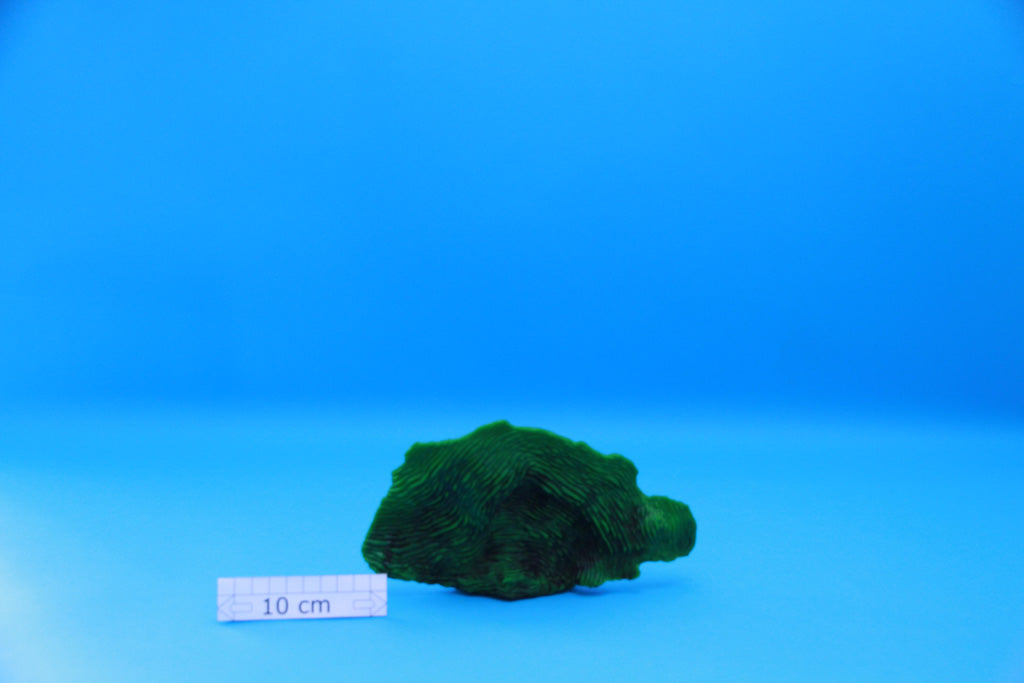
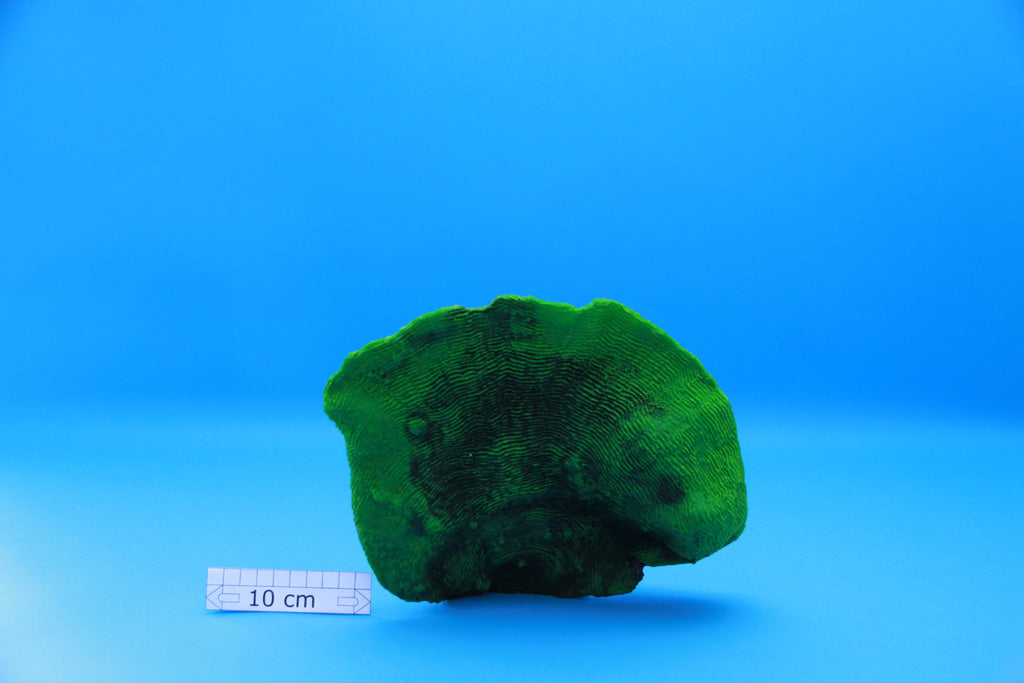
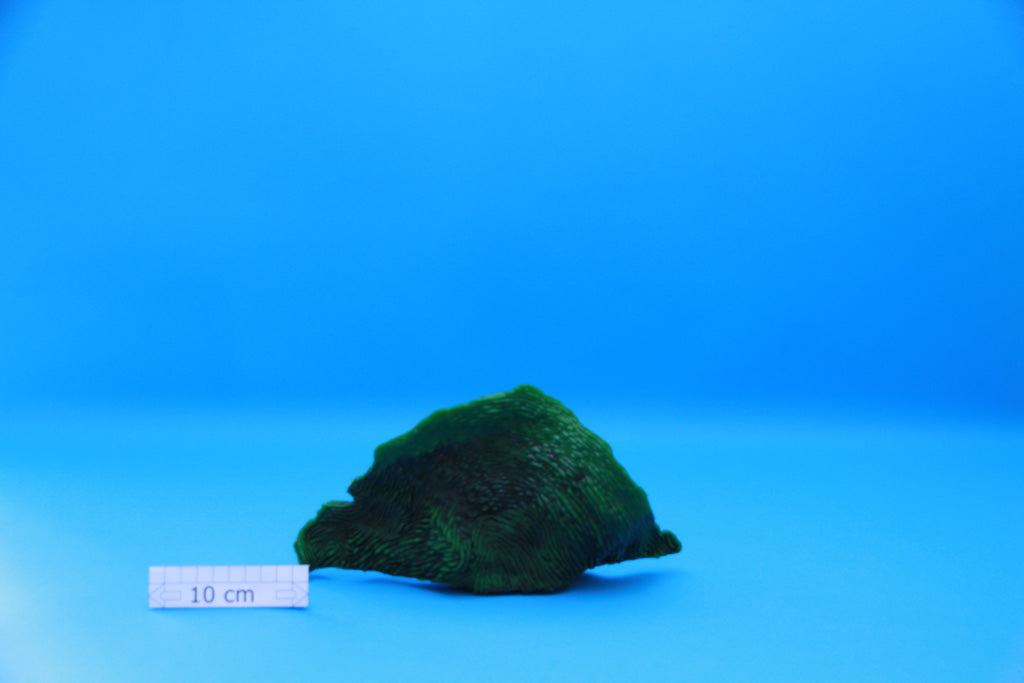
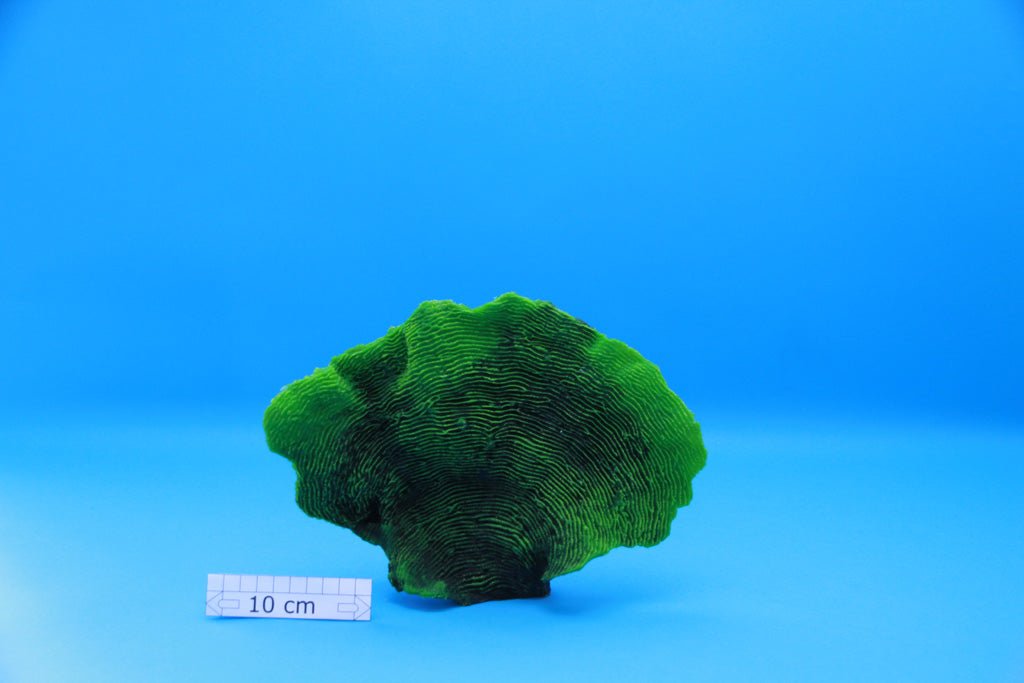
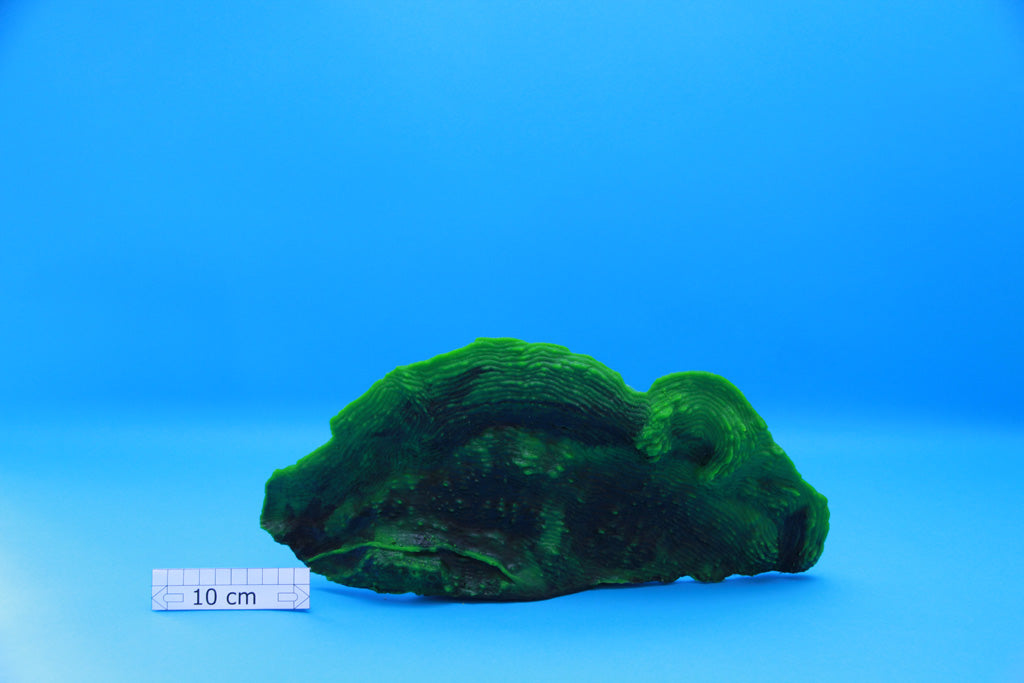
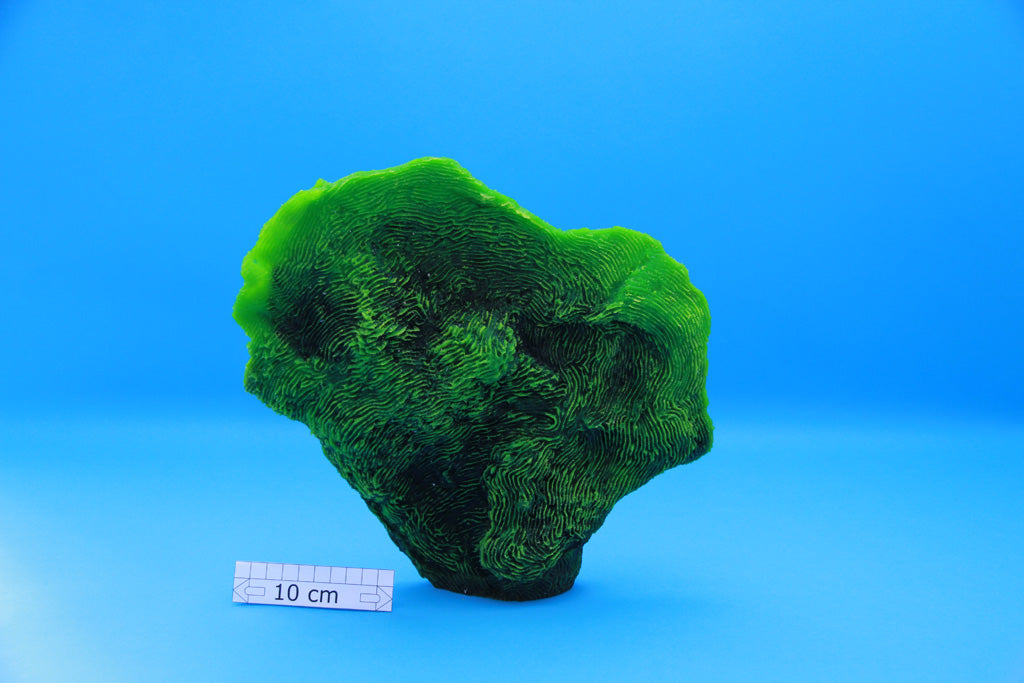
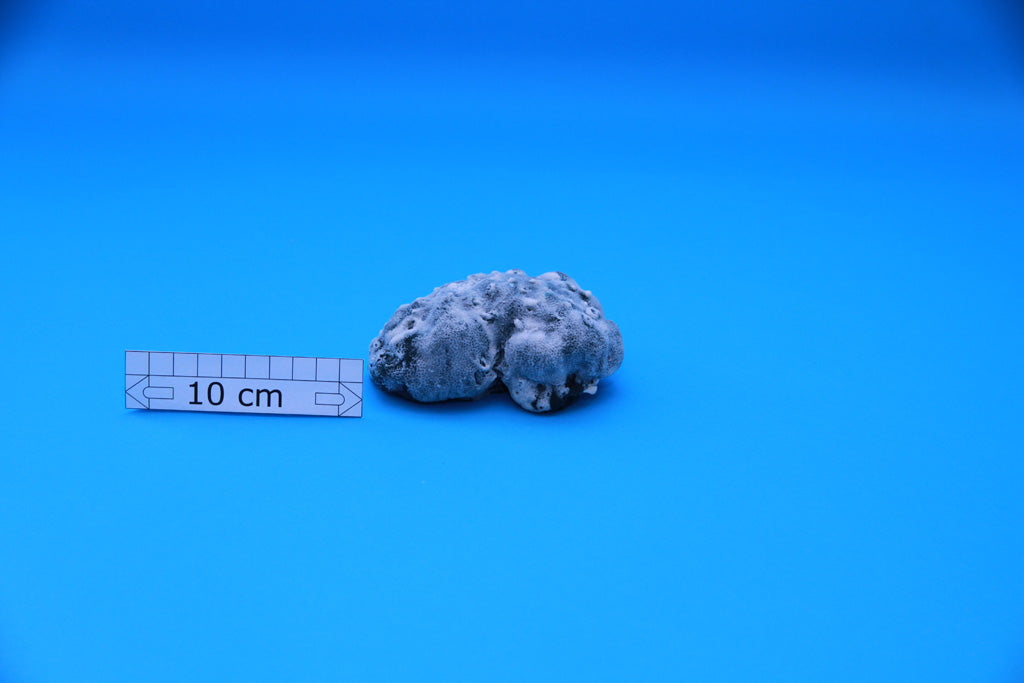
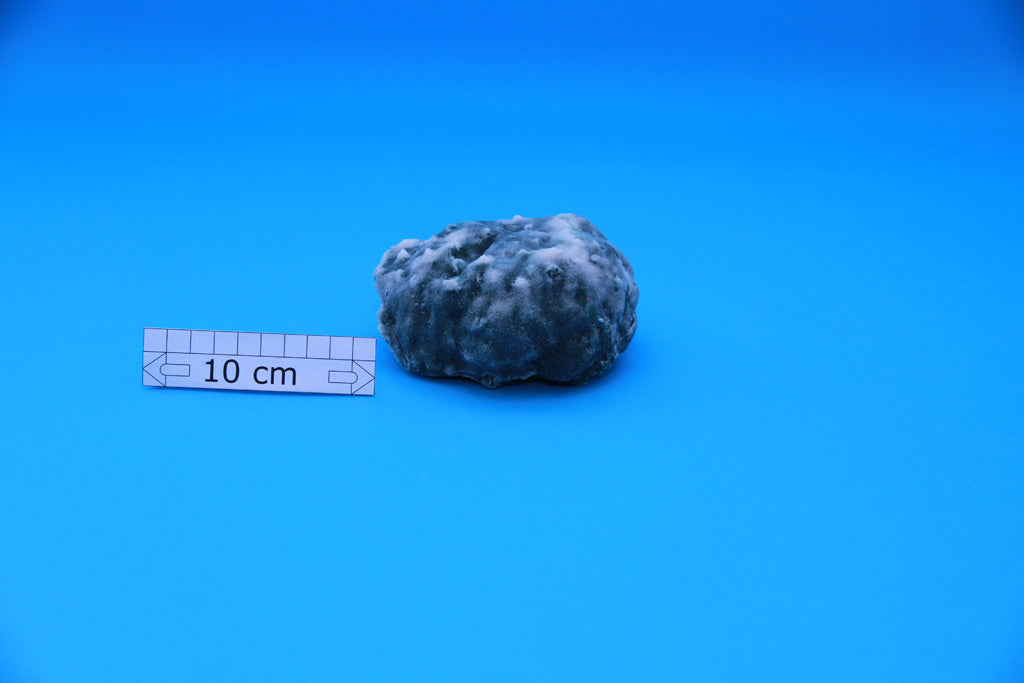
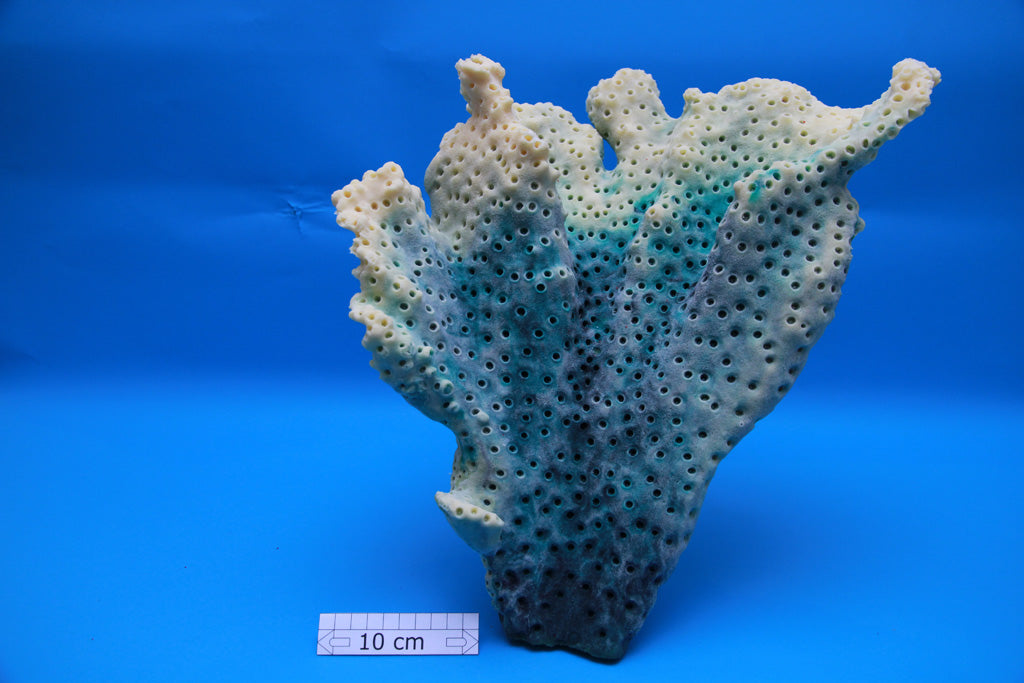
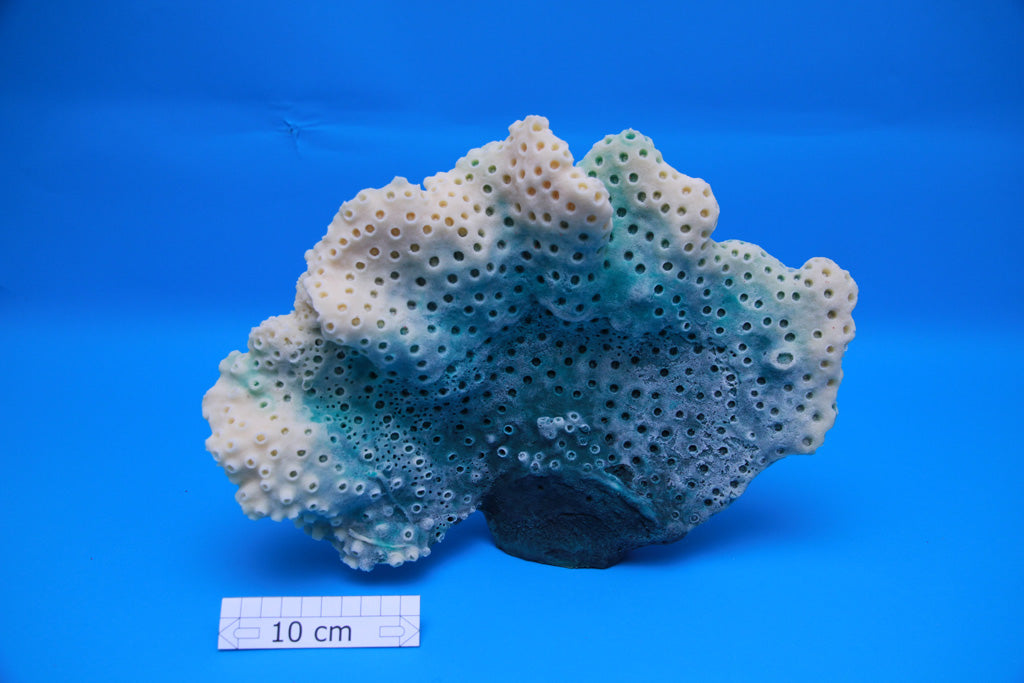
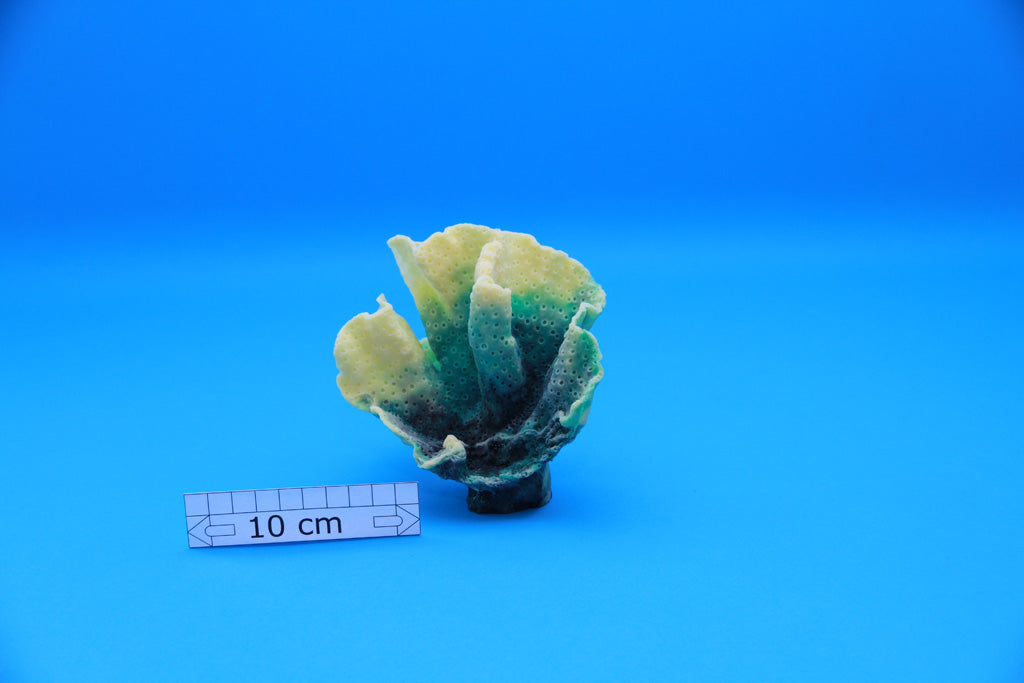
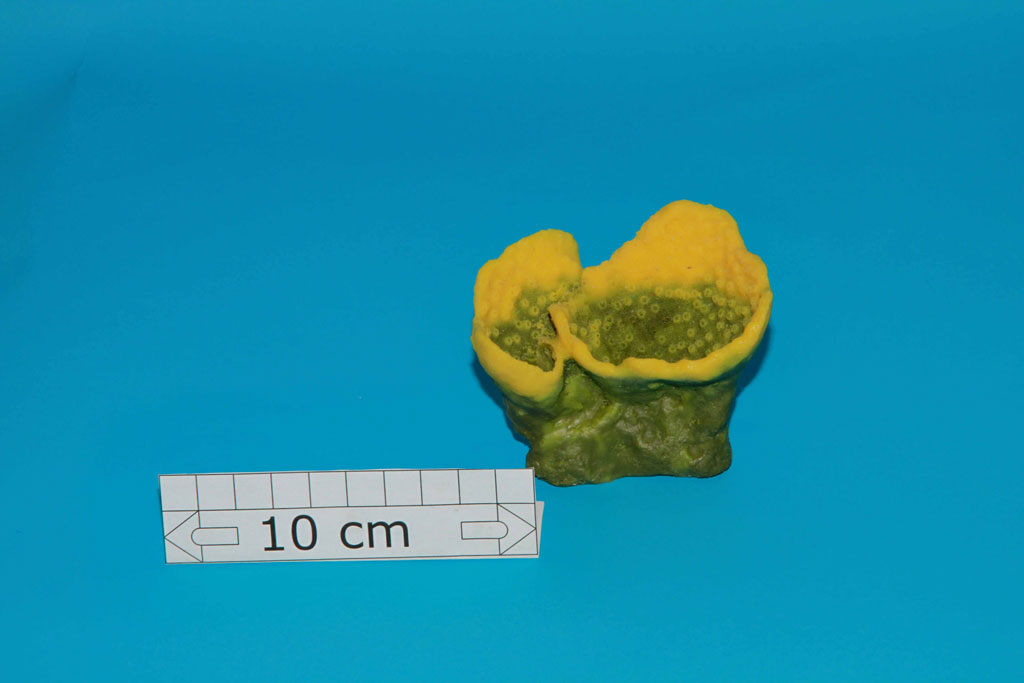
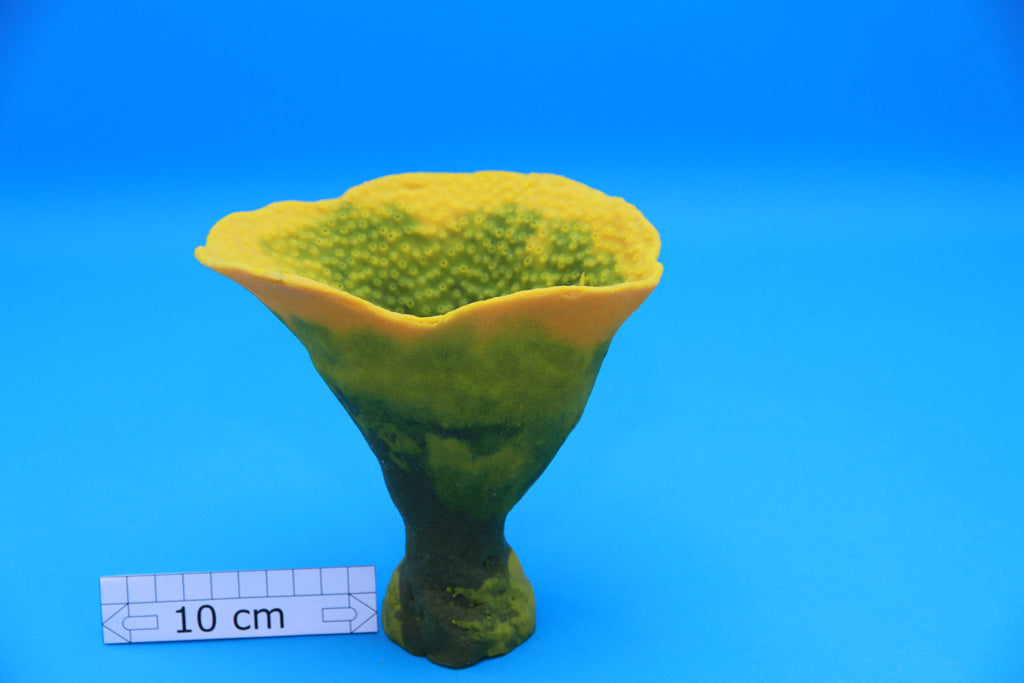
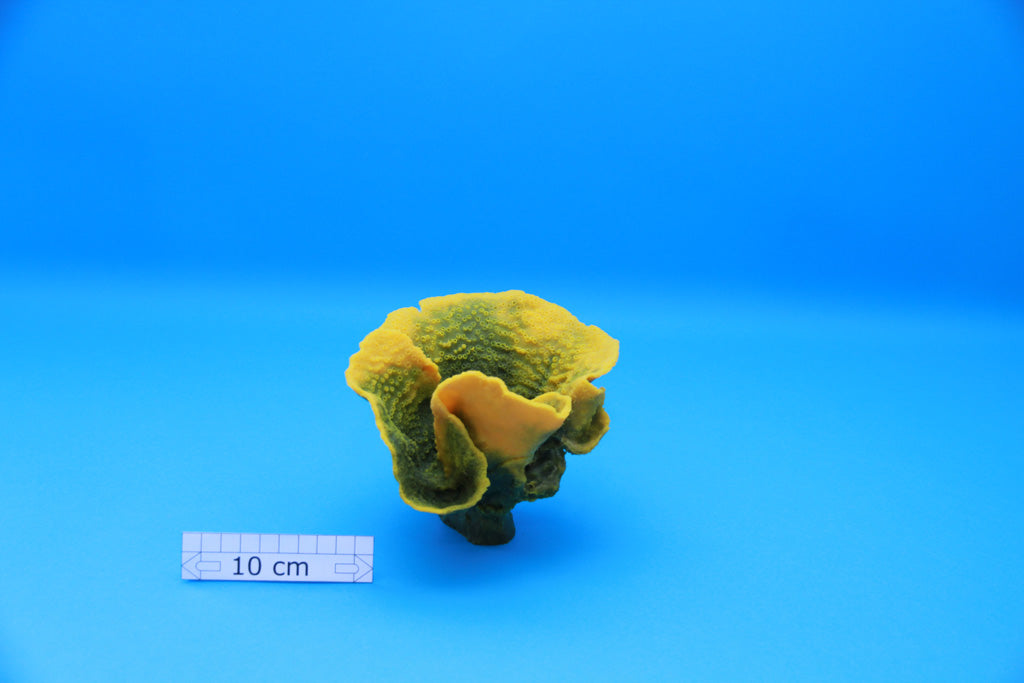
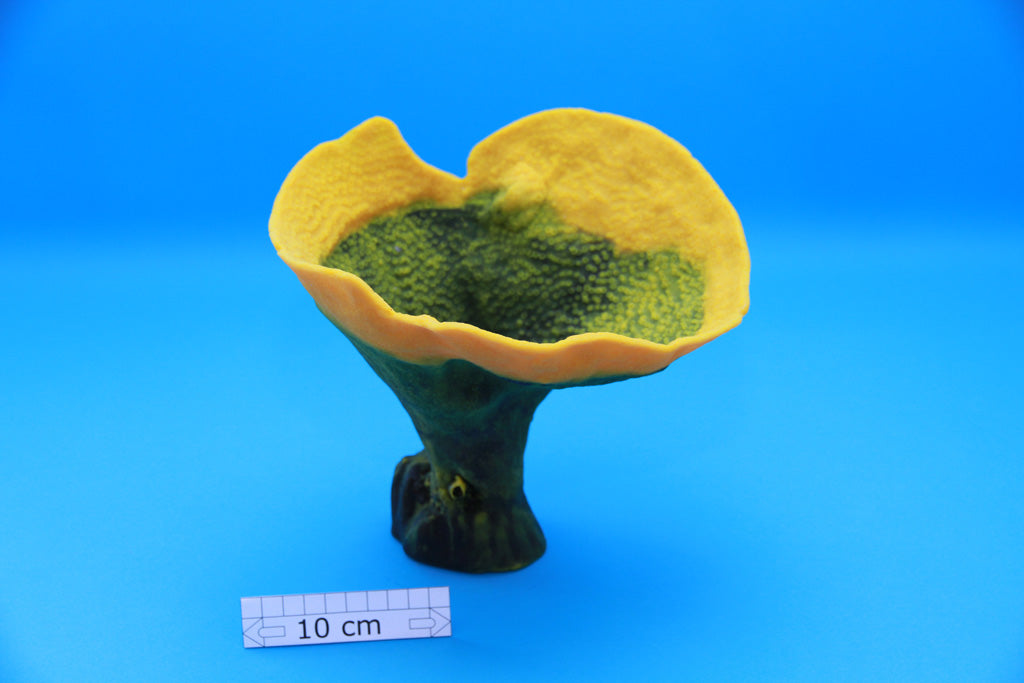
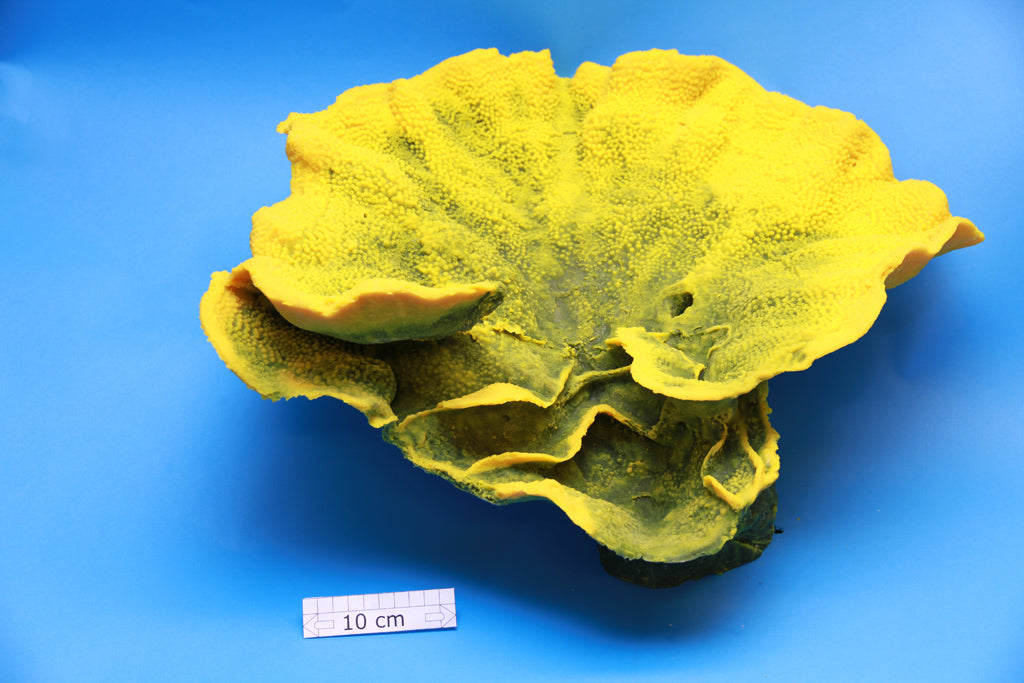
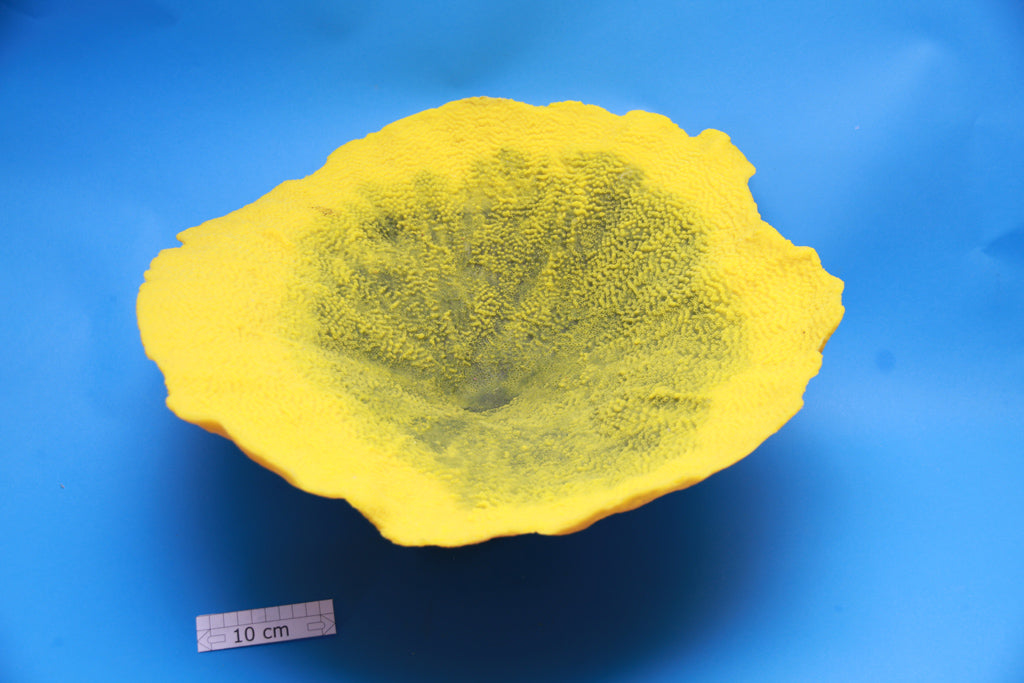
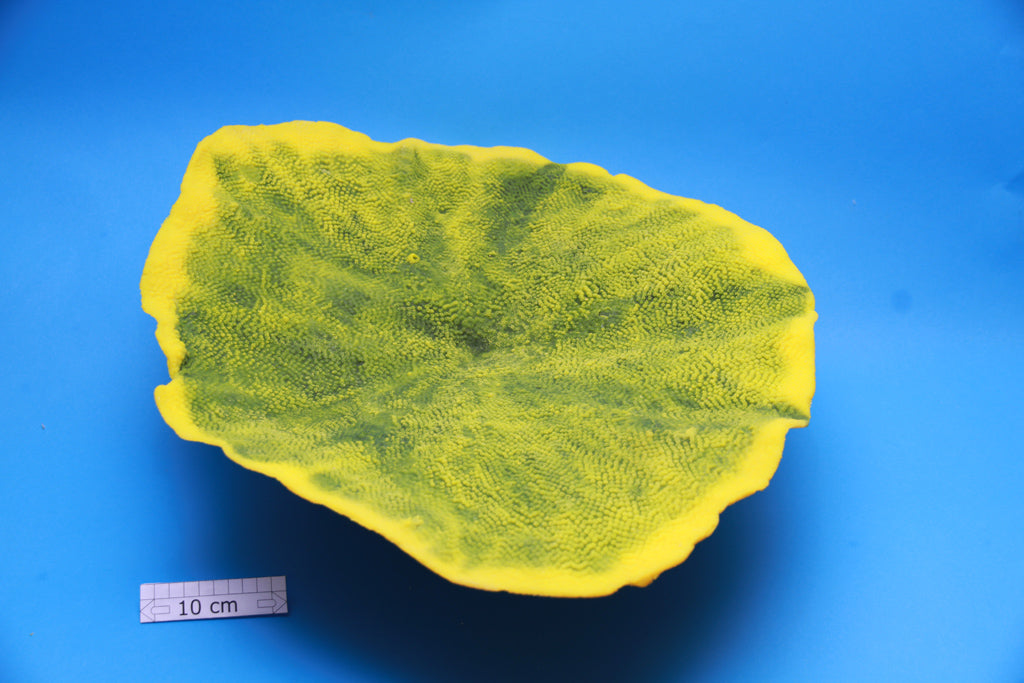
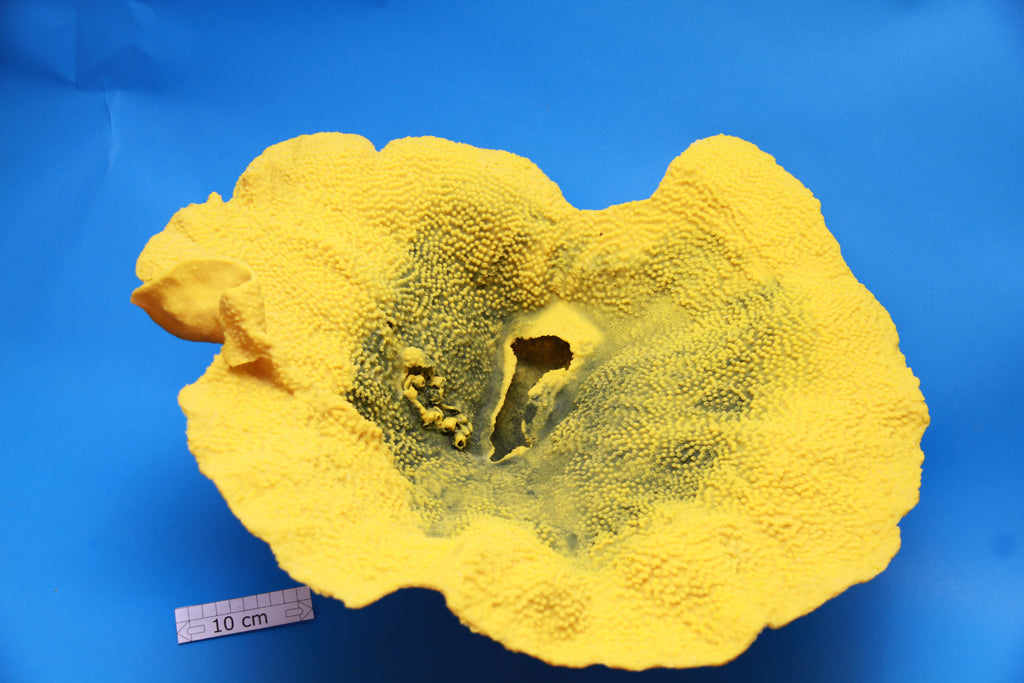
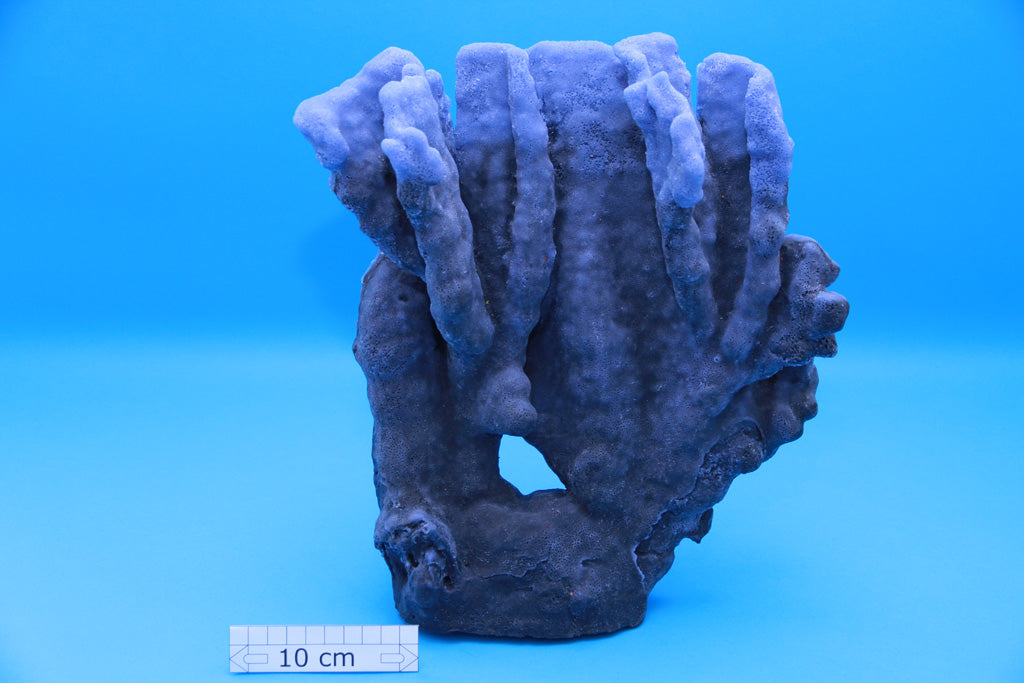
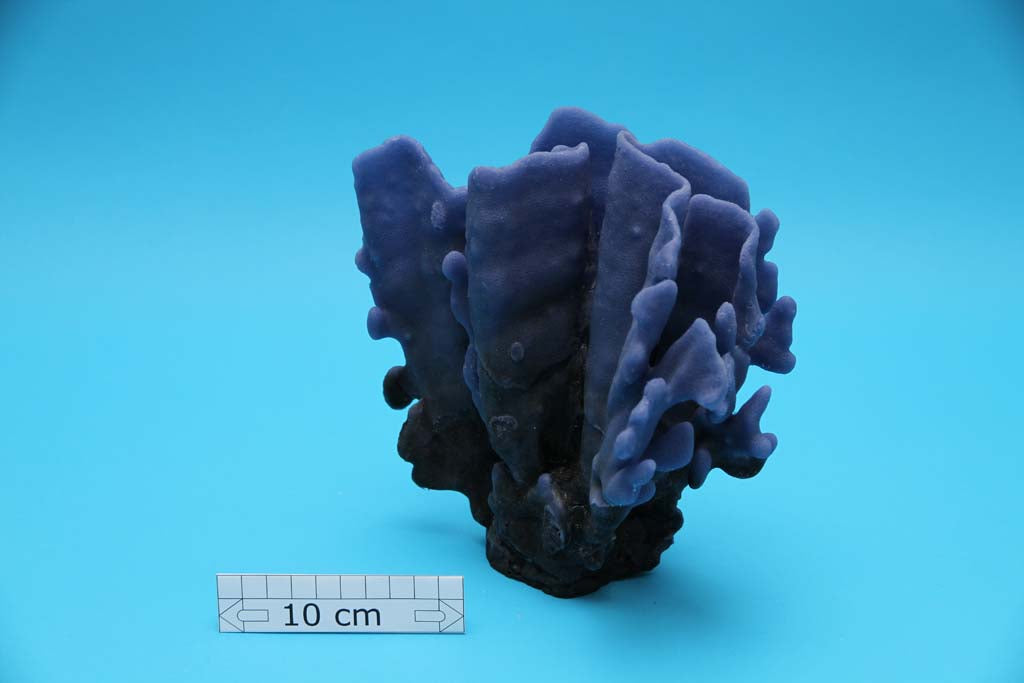
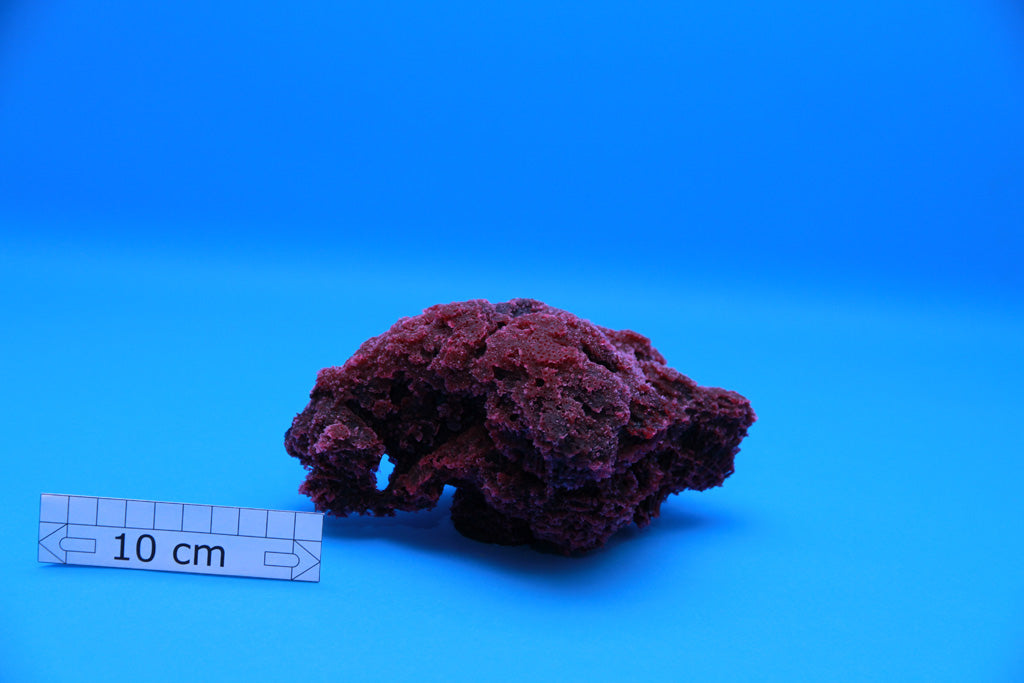
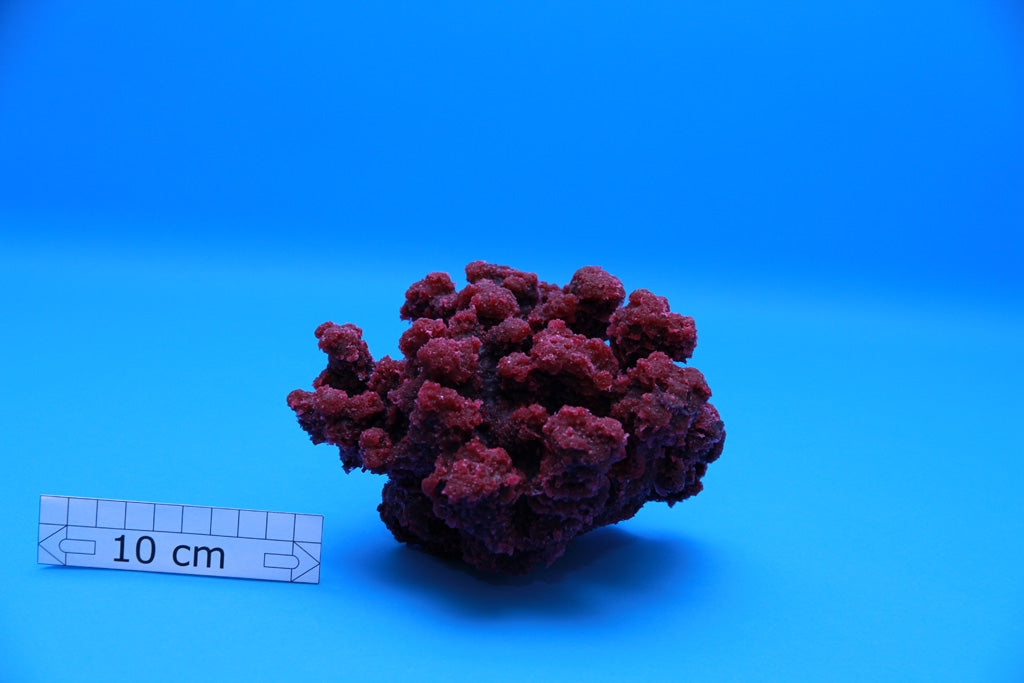
Discover our collection of handmade artificial stony corals, inspired by some of the most recognisable reef-building corals found in tropical marine environments. From branching Acropora coral to distinctive Turbinaria coral, our collection brings together a wide range of artificial hard corals designed to recreate the structure, texture and visual diversity of natural coral reefs.
If you are researching what are hard corals, looking for types of hard corals or comparing stony coral vs soft coral, this collection offers an easy way to explore some of the most iconic coral forms. Our artificial stony corals are designed for aquariums where realistic appearance, durability and long-term consistency are important.
Whether you are creating a private reef aquarium, a large public aquarium or a professional underwater installation, artificial coral for aquariums can help you build a detailed reefscape without relying exclusively on living coral. Combine branching, plate-like, encrusting and other coral structures to create an artificial reef with different heights, shapes and textures.
What Are Hard Corals?
So, what are hard corals? Hard corals, also called stony corals, are corals that produce a rigid calcium carbonate skeleton. This hard skeleton forms the physical structure of the coral colony and plays an important role in the development of tropical coral reefs.
Unlike soft corals, which generally have flexible bodies and do not build the same type of rigid external skeleton, hard corals create solid structures that can remain part of the reef after individual coral polyps die.
This is the key difference when looking at stony coral vs soft coral. Stony corals are generally associated with hard, mineral-based skeletons, while soft corals have more flexible structures.
There are many different forms of hard coral, from delicate branching colonies to broad plates, rounded formations and intricate encrusting structures. This diversity is one of the reasons hard corals and soft corals are so visually interesting when combined in an aquarium.
Our artificial stony corals recreate the appearance of these hard coral structures while providing a practical alternative to maintaining live coral.
Stony Coral Species and Types of Stony Coral
There are many different stony coral species, each with its own growth pattern, structure and appearance. When discussing types of stony coral, they are often described according to their growth form as well as their scientific classification.
Some hard corals grow in branching structures, creating height and open spaces within the reef. Others develop as plates, massive colonies or encrusting surfaces that spread across available substrate.
This variety creates numerous possibilities when designing an aquarium.
Some of the most recognisable types of hard corals include Acropora, Turbinaria and many other reef-building coral genera. Each can contribute something different to an artificial reef.
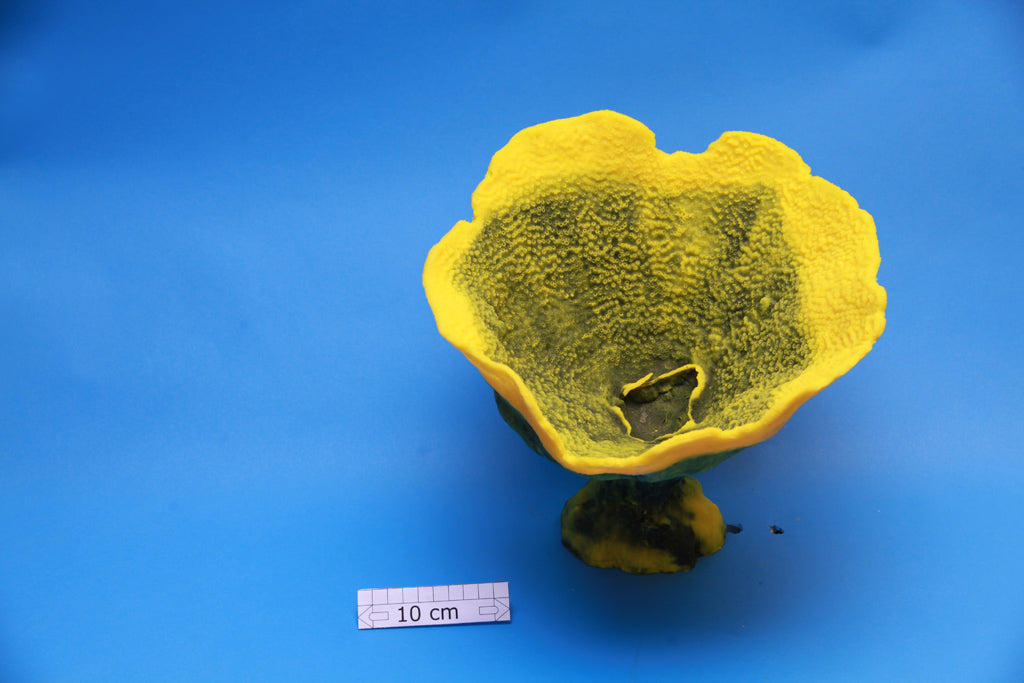
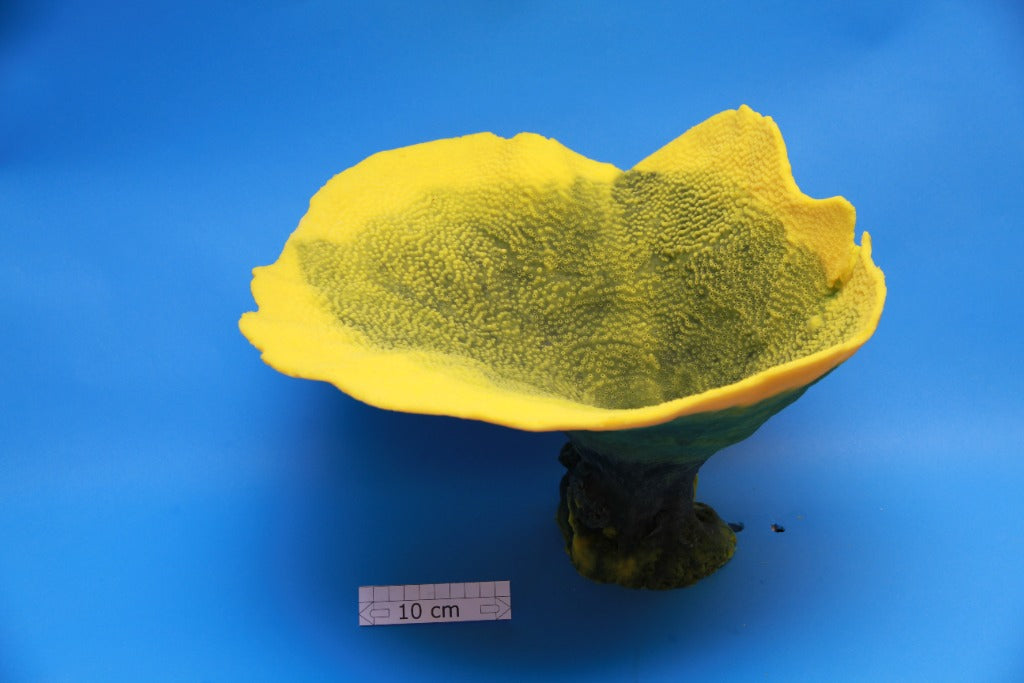
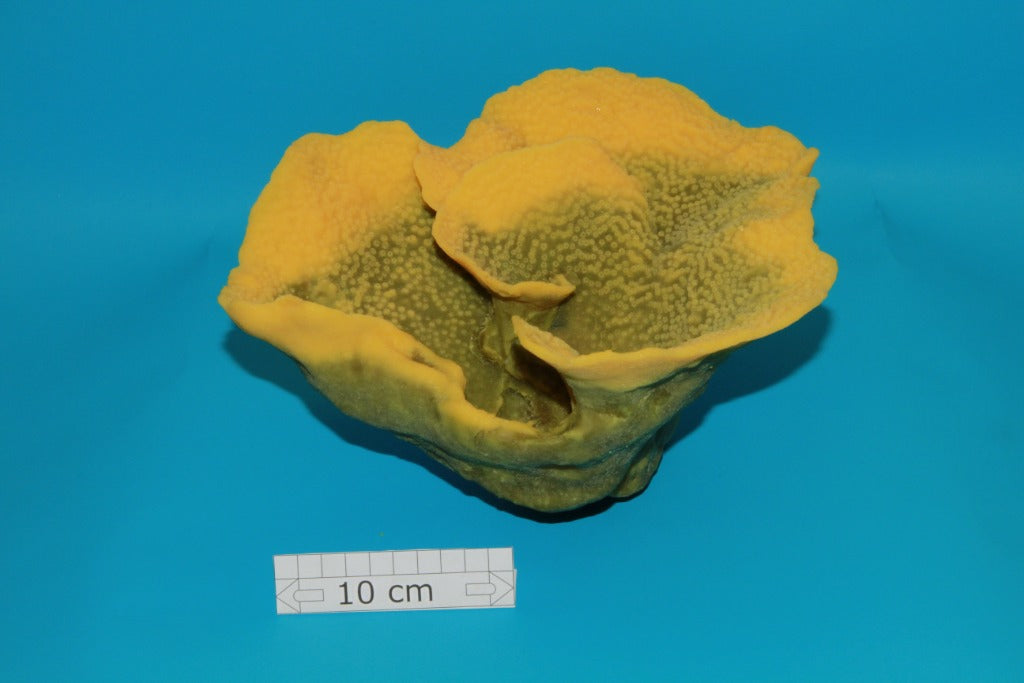
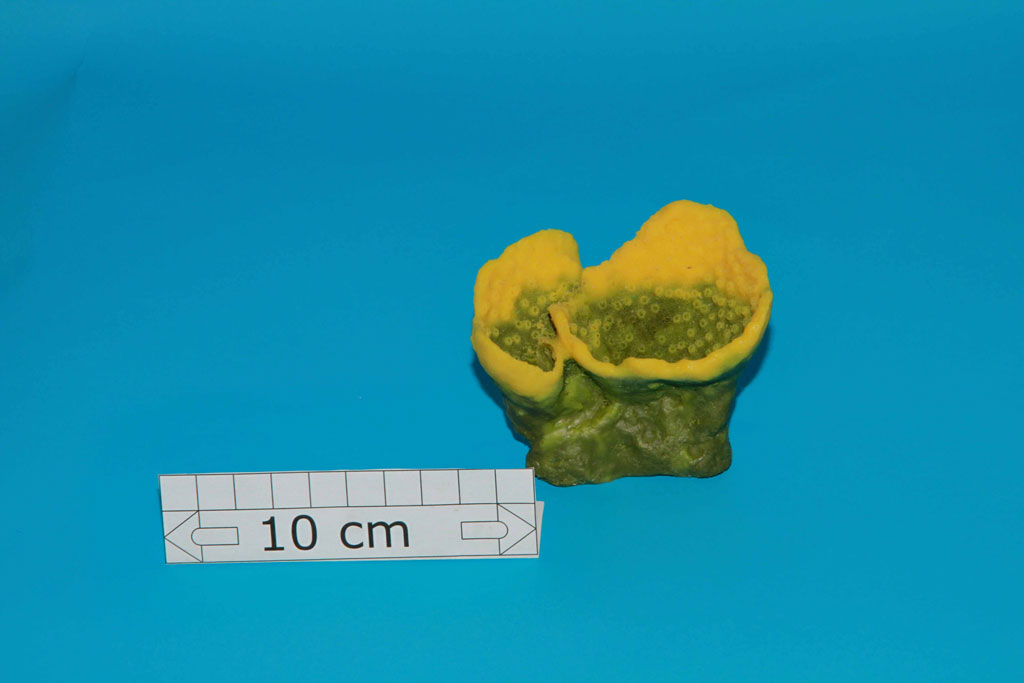
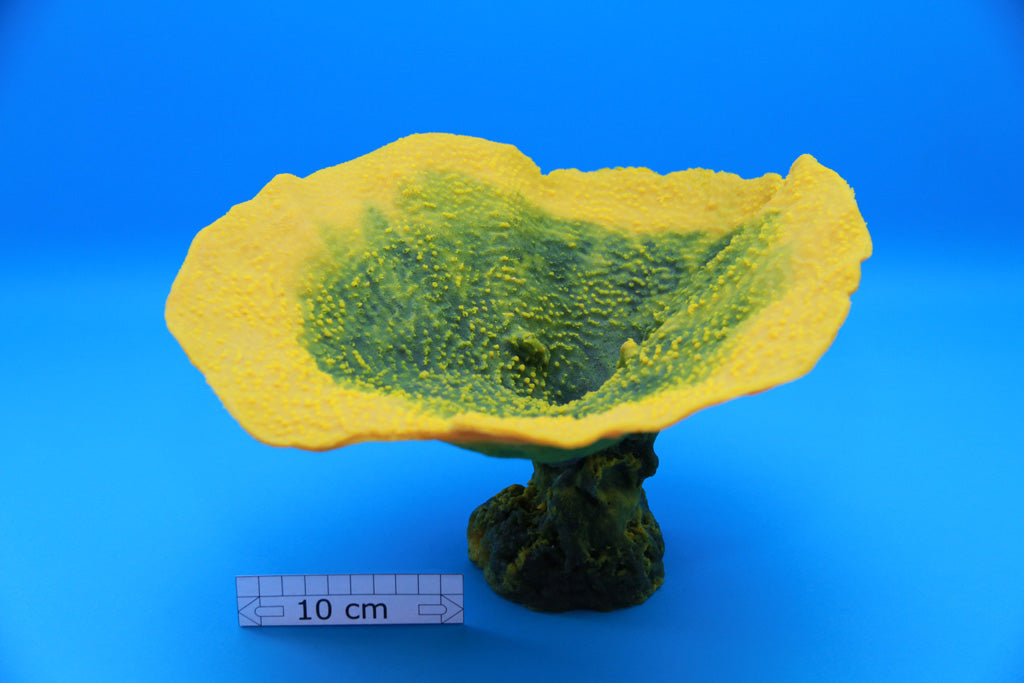
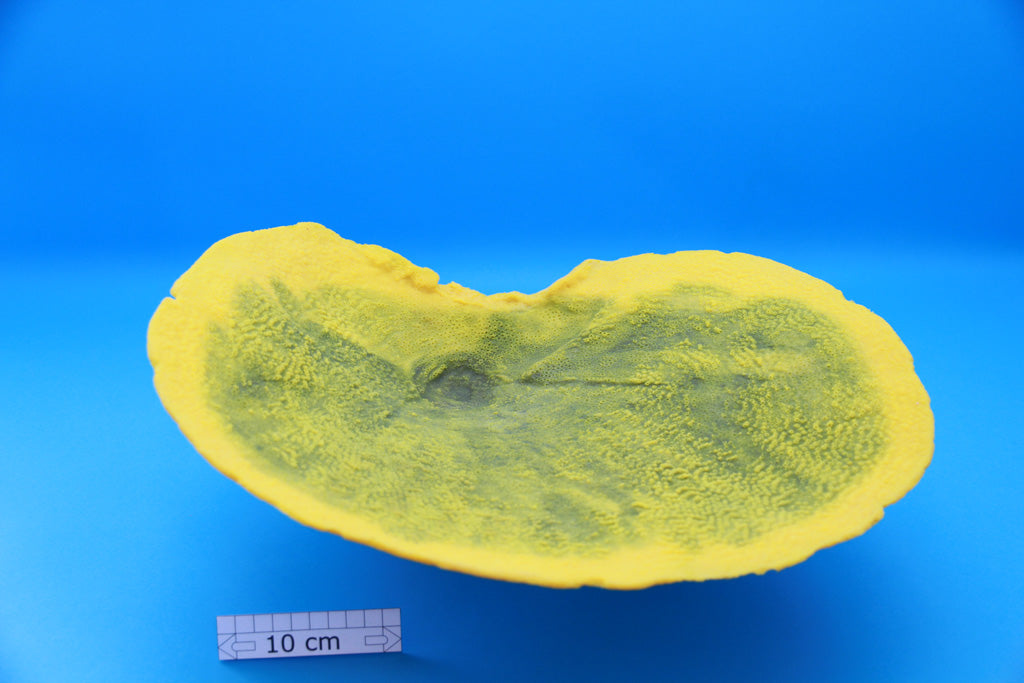
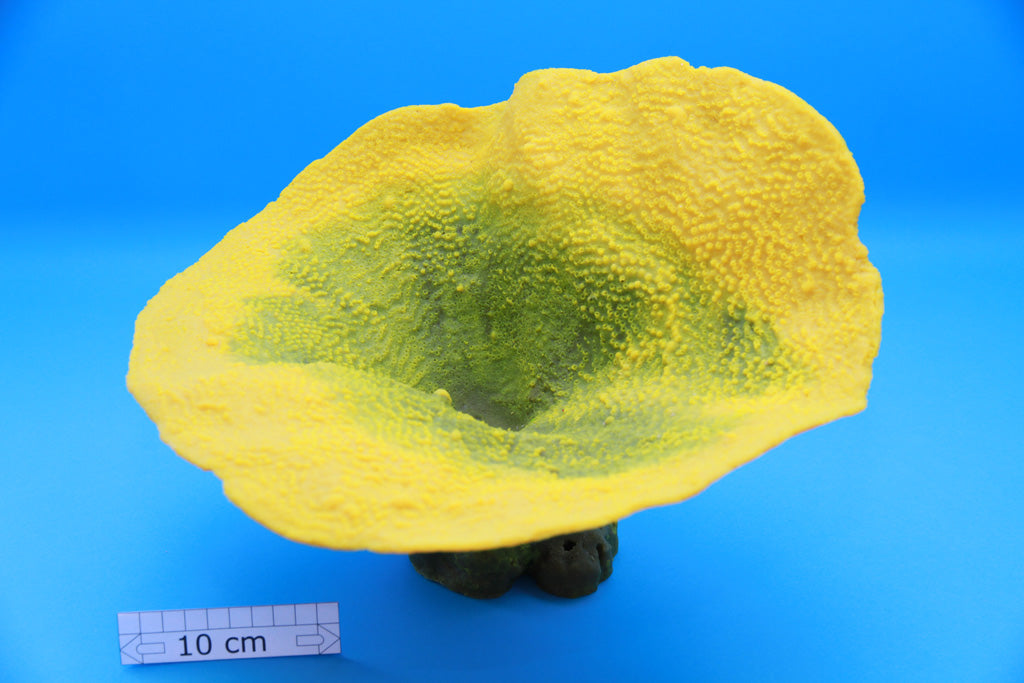
For aquarists researching hard corals examples, branching Acropora is a classic example of a hard coral that can create height and complexity. Turbinaria coral provides a very different appearance, often developing broad, plate-like or cup-shaped structures.
By combining different examples of hard corals, you can create a much more varied reefscape than by using a single coral growth form.
Stony Coral vs Soft Coral
The difference between stony coral vs soft coral is one of the most common questions when learning about reef aquariums.
Stony corals, or hard corals, produce rigid calcium carbonate skeletons. Soft corals generally lack this type of rigid external skeleton and instead have flexible structures supported by internal elements and connective tissue.
The visual difference can also be significant. Many hard corals create solid, architectural structures, while soft corals can create flowing, flexible and often more movement-oriented forms.
However, natural coral reefs contain both soft corals and hard corals, and the combination of the two creates much of the visual diversity associated with reef environments.
When recreating this appearance with artificial aquarium decorations, it can therefore be useful to combine soft and hard corals rather than choosing only one category.
Our artificial stony corals can form the structural foundation of a reefscape, while artificial soft corals, sea whips, sponges, algae and other decorations can add movement, texture and additional layers.
Hard Corals and Soft Corals in Aquarium Design
Using hard corals and soft corals together can create a more natural-looking artificial reef.
Hard corals can provide the main architectural elements. Branching colonies can create height, plate-like corals can create horizontal layers and encrusting forms can help cover larger surfaces.
Soft corals can then be added between these structures to create contrast. Their flowing shapes can soften the appearance of the rigid hard coral formations.
This approach works particularly well in larger aquariums where there is enough space to create several distinct layers.
For example, artificial Acropora can be positioned toward the upper sections of a reef, while artificial Turbinaria can create broader structures lower down. Artificial soft corals and sea whips can then be placed between them.
The result is an aquarium with a wider range of shapes and textures inspired by the natural relationship between soft corals and hard corals.
Acropora and Acropora Coral
Acropora is one of the most recognisable genera of reef-building hard corals and is an important part of many tropical coral reef ecosystems.
Acropora coral is known for its wide range of growth forms. Depending on the species and environmental conditions, Acropora can develop branching, tabular and other complex structures.
This makes Acropora particularly valuable for aquarium design. Branching artificial Acropora can create height, depth and negative space within a reefscape, while more plate-like forms can create horizontal layers.
One well-known species is Acropora formosa, a branching coral associated with tropical Indo-Pacific reef environments. Its characteristic branching structure makes it a particularly recognisable example when discussing hard corals examples.
Our artificial Acropora-inspired decorations are designed to recreate the visual complexity of these natural structures without the growth and maintenance requirements of living coral.
Combine Acropora coral with other artificial stony corals to create a reefscape with multiple growth forms.